
How Many Porta Potties Do I Need Under OSHA?
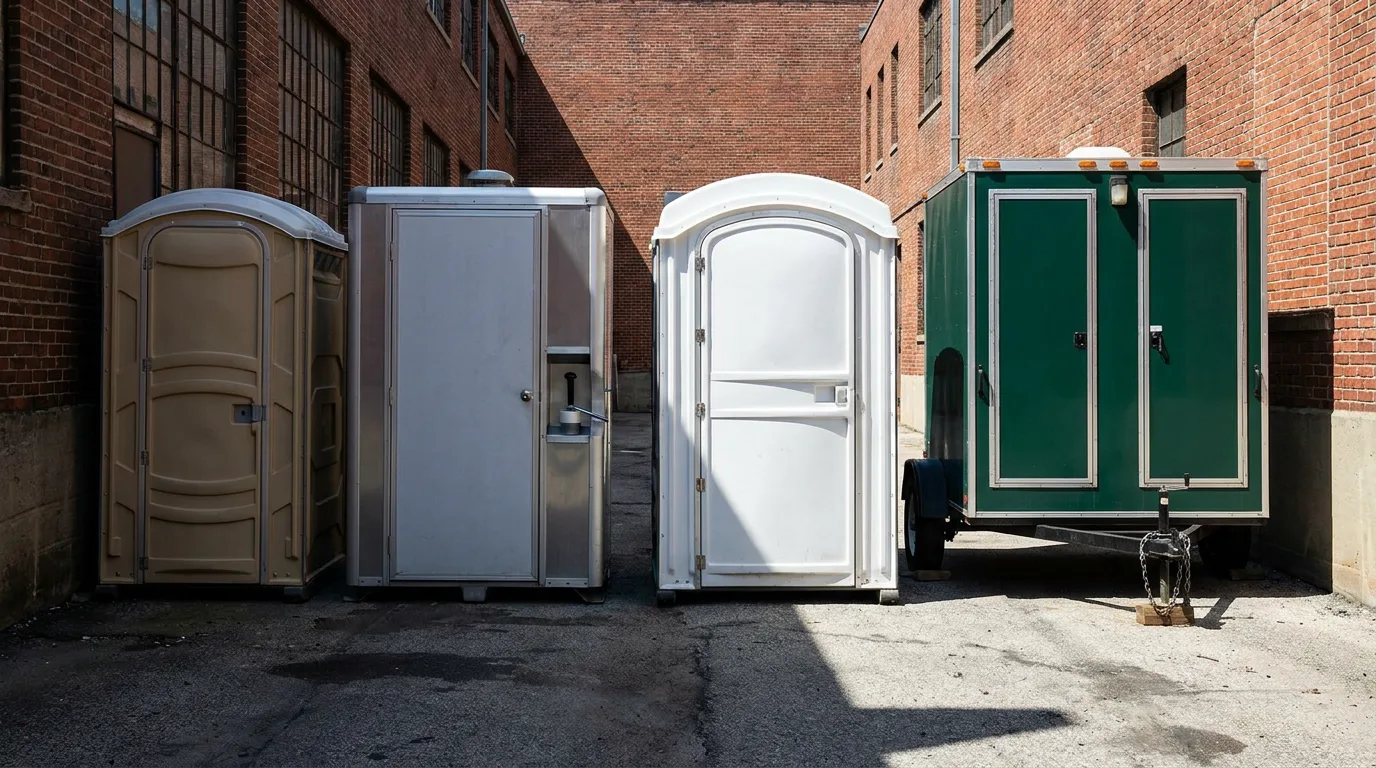
Start with the headcount on site at peak shift, not the total roster. OSHA 1926.51(c)(1) sets the baseline: 20 workers or fewer gets 1 toilet facility, 20 to 200 workers gets 1 toilet seat plus 1 urinal per 40 people, and crews of 200 or more drop to 1 seat and 1 urinal per 50 workers. A 60 to 70 gallon holding tank on a standard unit handles that load between services. Boston general contractors running a mixed trade crew near the Seaport often underestimate peak headcount because subs rotate through. Run the math on your busiest day, not your average day. If you are still unsure, our how many porta potties do I need guide walks the ratio table step by step, and construction site services covers full-site sanitation planning for Boston projects. Pair toilet count with a standard porta potty rental plan and you are covered for inspection.
What Does OSHA Say About Handwashing and Water?
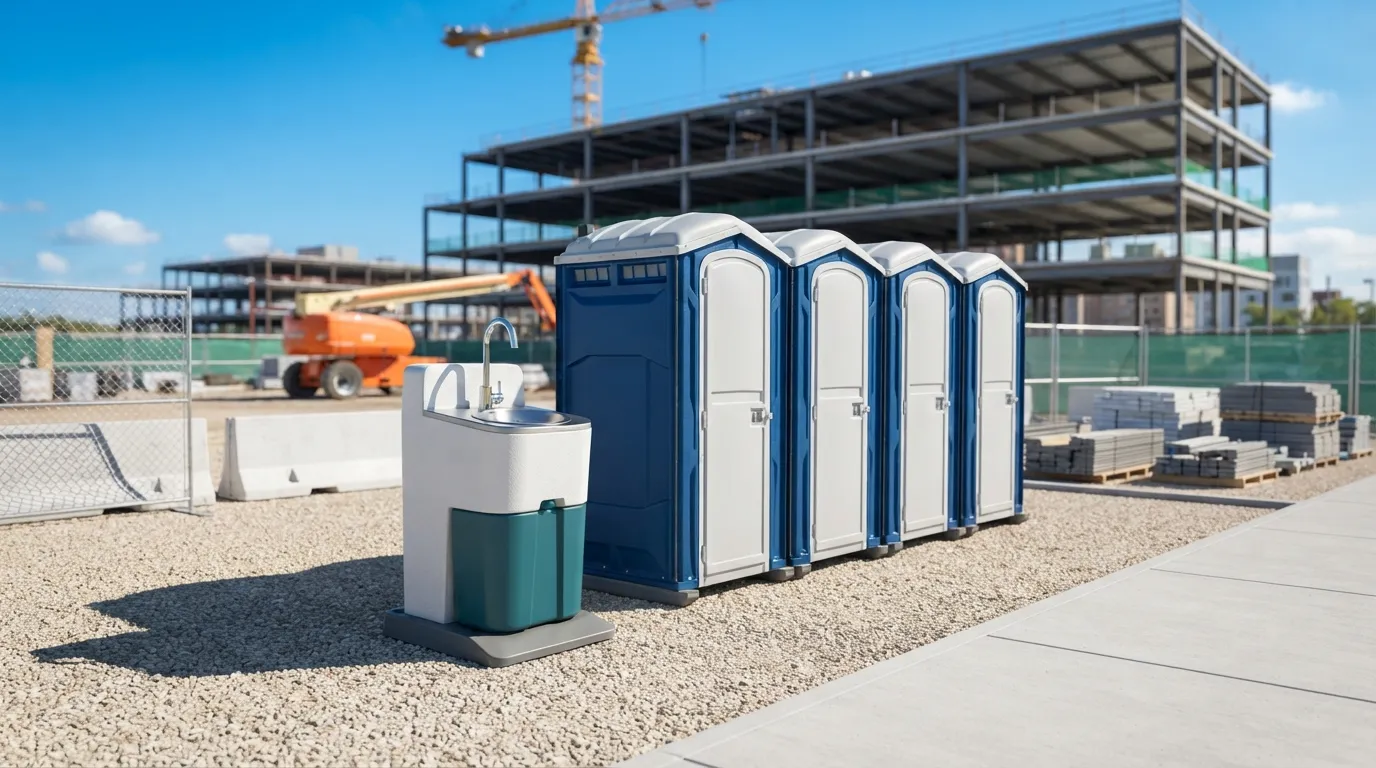
OSHA 1926.51(a)(1) requires an adequate supply of potable water at every place of employment, full stop, no exceptions for small crews. Separately, 1926.51(f)(1) requires washing facilities specifically where workers apply paints, coatings, herbicides or insecticides, or handle other harmful contaminants; it is not a general handwashing rule for every trade. For non-construction workplaces, general industry sanitation runs under 29 CFR 1910.141(c)(1)(i) instead. And where handwashing is required, 29 CFR 1910.141(d)(2) is specific: soap and towels or a hand-drying device, not hand sanitizer alone. A handwashing station rental or portable sink rental satisfies both the water and the wash-down piece. Painting crews and demo crews near Cambridge, 7.6 miles northwest of Boston, should check our handwashing requirements page before final walkthrough.
Are ADA-Accessible Units Required on a Boston Jobsite?
Where portable toilets are clustered at a site, ADA Standards section 213.2 requires at least 5 percent of units to be accessible, and never fewer than one unit even on a small job. An accessible unit needs a 36 inch clear route per section 403.5.1, a 32 inch clear door opening per 404.2.3, and a 60 inch turning circle inside per 304.3.1. Floor surfaces must be stable and slip resistant under section 302.1, reach ranges fall under 308.2.1, and door hardware has to work one-handed under 309.4 with no more than 5 pounds of force. If a ramp is needed to reach the unit, 405.2 caps the slope at 1:12. Public events in Boston, and job sites open to visitors or inspectors, are where this gets checked hardest. Our ADA accessible porta potty page breaks down layout, and ADA restroom requirements covers the full standard for site planners.
Where Can Portable Toilets Be Placed on a Job Site?
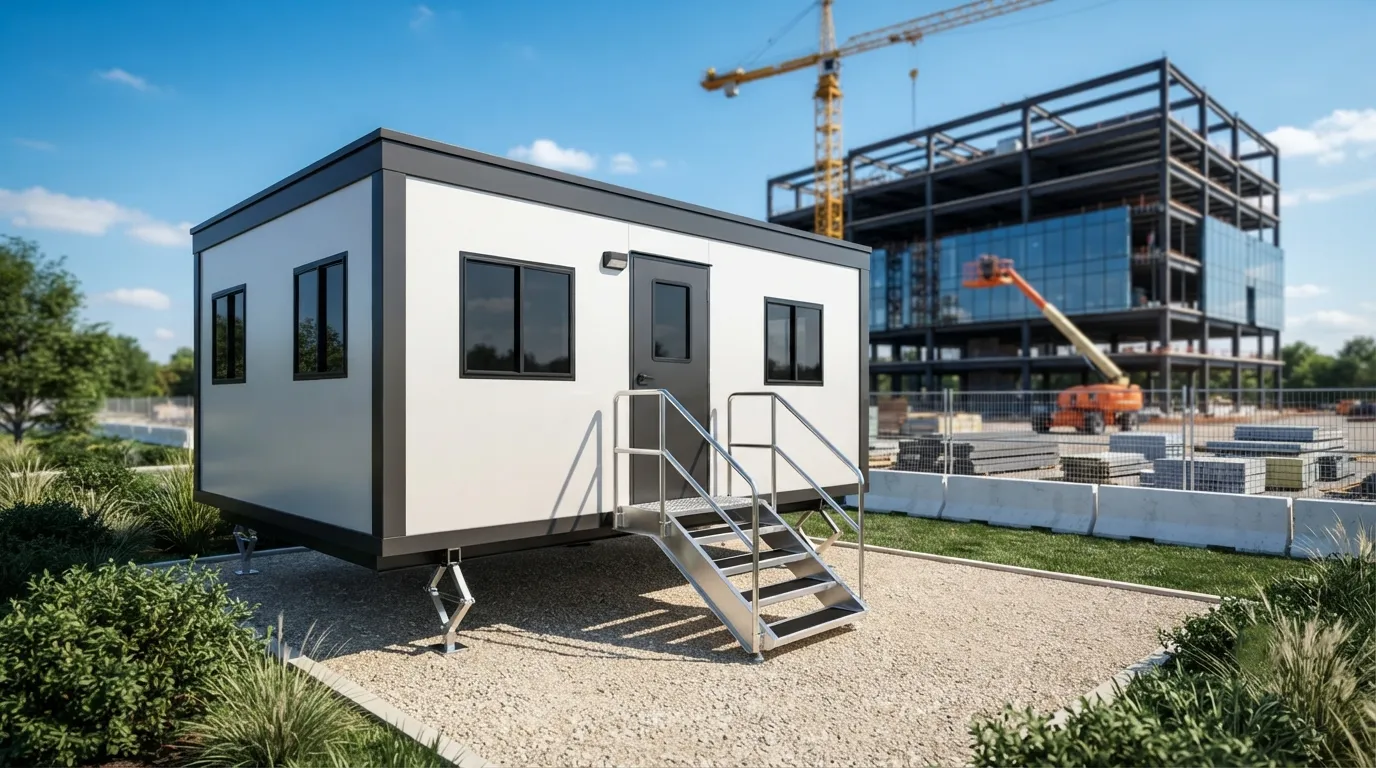
Placement is partly OSHA, partly the city, and partly common sense about mud, wind and truck access. OSHA doesn't set a hard distance-to-workstation number in the construction standard, but ANSI/PSAI Z4.3 sets the servicing baseline: one visit per week supports up to 10 users over a 40 hour week, so units placed far from the crew still need to be reachable for that weekly pump-out. A roll-off delivery or a septic service truck needs about 60 feet of straight clearance behind it, so plan driveways and gates accordingly before the truck shows up. Placement in the public right of way in Boston needs confirming with the city; we don't guess at that. Site lighting also matters if toilets sit away from the main work area at night; OSHA 1926.56(a) sets minimum illumination by area type, and a light tower rental covers that gap. For full guidance see our porta potty placement guide and porta potty permit requirements pages. If your project also generates debris, OSHA 1926.25 requires clearing scrap from work areas, and a roll-off dumpster rental or 10 yard dumpster rental keeps that compliant alongside your toilet count. Storage needs on the same site are worth planning too; see storage container rental for tool and material lockup near the units.
How many porta potties does OSHA require for a 25-person crew?
A 25-person crew crosses the 20-worker line in 1926.51(c)(1), so you move from 1 toilet facility to 1 toilet seat and 1 urinal per 40 workers. At 25 people that is still one combined unit, but check peak headcount weekly since crews grow fast on active builds. Our standard porta potty rental page has unit specs.
Does Cal/OSHA use the same ratio as federal OSHA?
Cal/OSHA sets its own portable toilet requirements for California construction sites, separate from the federal 1926.51(c)(1) table used in Massachusetts. Boston projects follow federal OSHA, not Cal/OSHA. If you operate crews in both states, don't apply one state's ratio to the other's jobsite.
Is hand sanitizer enough to meet OSHA handwashing rules?
No. 29 CFR 1910.141(d)(2) requires soap and towels or a hand-drying device at washing stations; sanitizer alone doesn't satisfy it. This applies wherever handwashing facilities are required, including under the contaminant-specific rule in 1926.51(f)(1) for paints, coatings and similar exposures.
What size dumpster pairs with an OSHA-compliant jobsite in Boston?
That depends on debris volume, not toilet count. A dumpster sizes and dimensions page compares options, and construction dumpster rental covers site delivery. Housekeeping under 1926.25 requires debris cleared regularly regardless of size chosen.
Can I rent porta potties for a single weekend event in Boston?
Yes. Weekend rates for a standard unit run in the low hundreds of dollars, priced separately from daily or weekly terms. Check porta potty rental cost or request a quote through request a quote for exact weekend pricing on your event date.
Next step
Get a delivery date
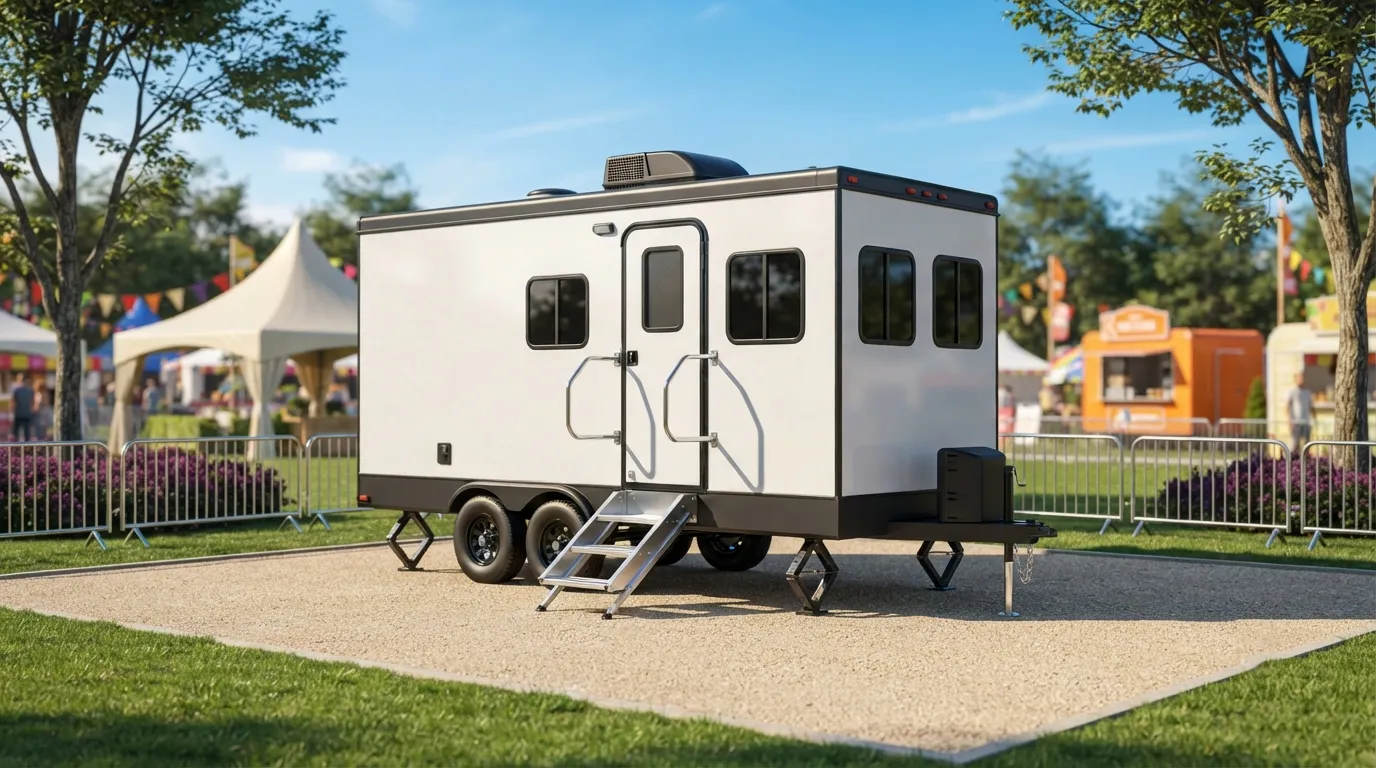
Tell us the address, the dates and the headcount. We size the order and confirm the route.