
How Much Does a Porta Potty Cost Per Month?
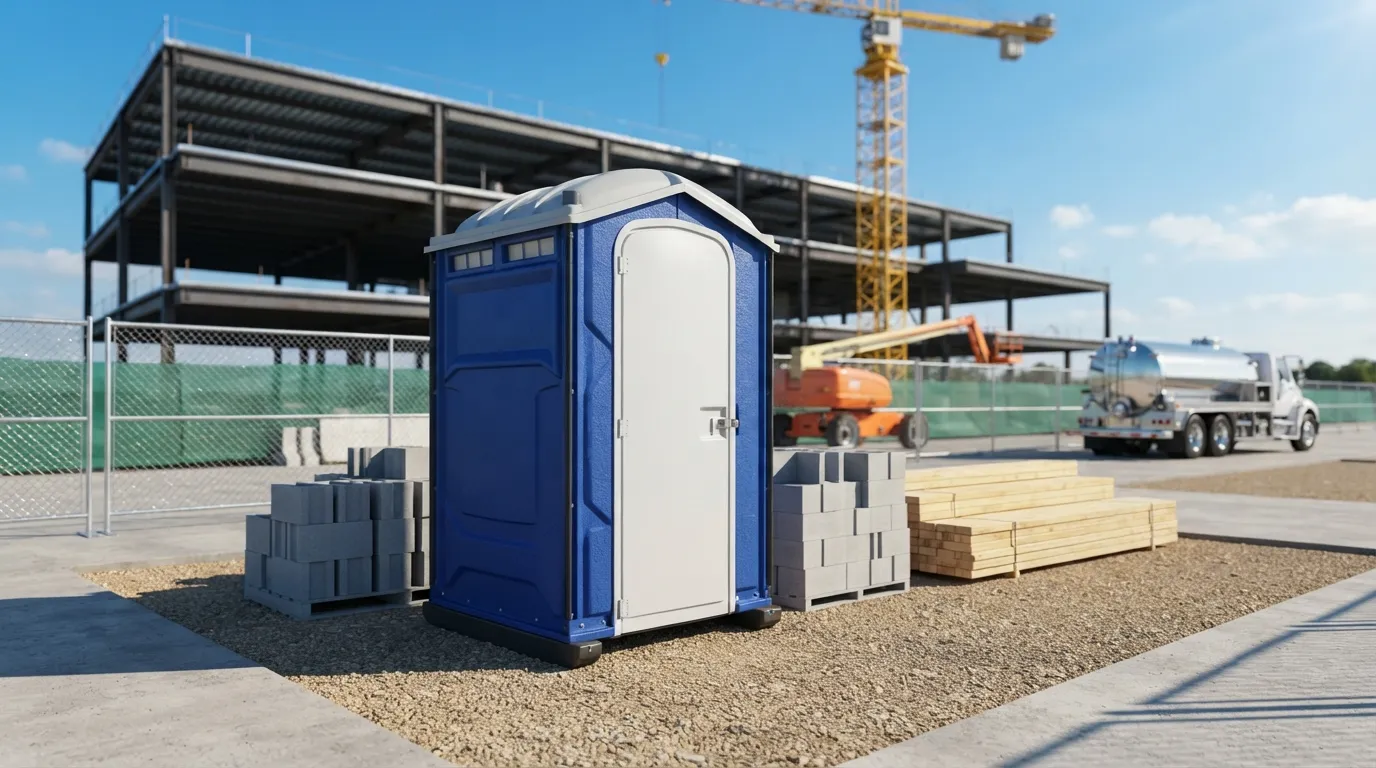
Porta potty rental cost per month for standard units runs 125 to 325 dollars, with most Boston jobs landing near 200. Anyone searching porta potty rental cost per month near me should expect that same band, since it holds across the city and the nearby towns Boston Porta Pros services. That's a big drop from daily math: a 150 dollar day rate times 30 would be absurd, and nobody pays that, because porta potty rental cost drops hard once you commit to weeks instead of days. Deluxe flushable units cost more, ADA units run their own band, and delivery fees usually land between 120 and 420 dollars for a monthly job depending on distance and access. A construction site in Somerville, 7.3 miles northwest of Boston, pays a different delivery fee than a job right in the city, purely on drive time. Service frequency drives the rest of the cost. ANSI/PSAI Z4.3 sets a baseline of one pump-out per week for up to 10 users over a 40-hour week, and most long-term contracts follow that interval unless the crew count is higher. If you're only weighing porta potty rental per day against a month, run the math on your actual job length before you decide, because the breakeven point comes faster than most people expect.
| unit | day | week | month |
|---|---|---|---|
| standard | 100-350 | 130-500 | 125-325 |
| ada | 200-400 | 120-240 | , |
| deluxe | 85-1200 | 150-290 | , |
Why Is Long-Term Porta Potty Rental Cheaper Per Day?
Because you're only paying delivery once. A single delivery fee, spread across 30 days instead of 3, brings the effective daily cost way down. That's the entire reason long term porta potty rental cost, and long term porta potty rental generally, beats short rentals on a per-day basis almost every time. The same math applies to long term portable toilet rental on multi-month builds, and to portable toilet rental cost per month for crews weighing a quarter-long job against several separate weekly bookings. Boston Porta Pros charges a flat delivery fee up front, then bills service visits separately, so a six-month renovation project pays the same delivery cost as a six-week one. This matters most for home renovation porta potty jobs and construction site services where the unit sits in one spot for the whole build. OSHA 1926.51(c)(1) sets the baseline for how many units a jobsite needs: one toilet for 20 workers or fewer, then additional fixtures as the crew grows past that. A crew of 15 doesn't need more than one unit under that rule, so a small renovation crew in Chelsea, 7.5 miles north of Boston, can often run a single standard unit for the length of the job. Bigger crews should check how many porta potties do I need before locking in a monthly quote, because unit count changes the total more than any other variable.
What's Included in a Monthly Rental Contract?
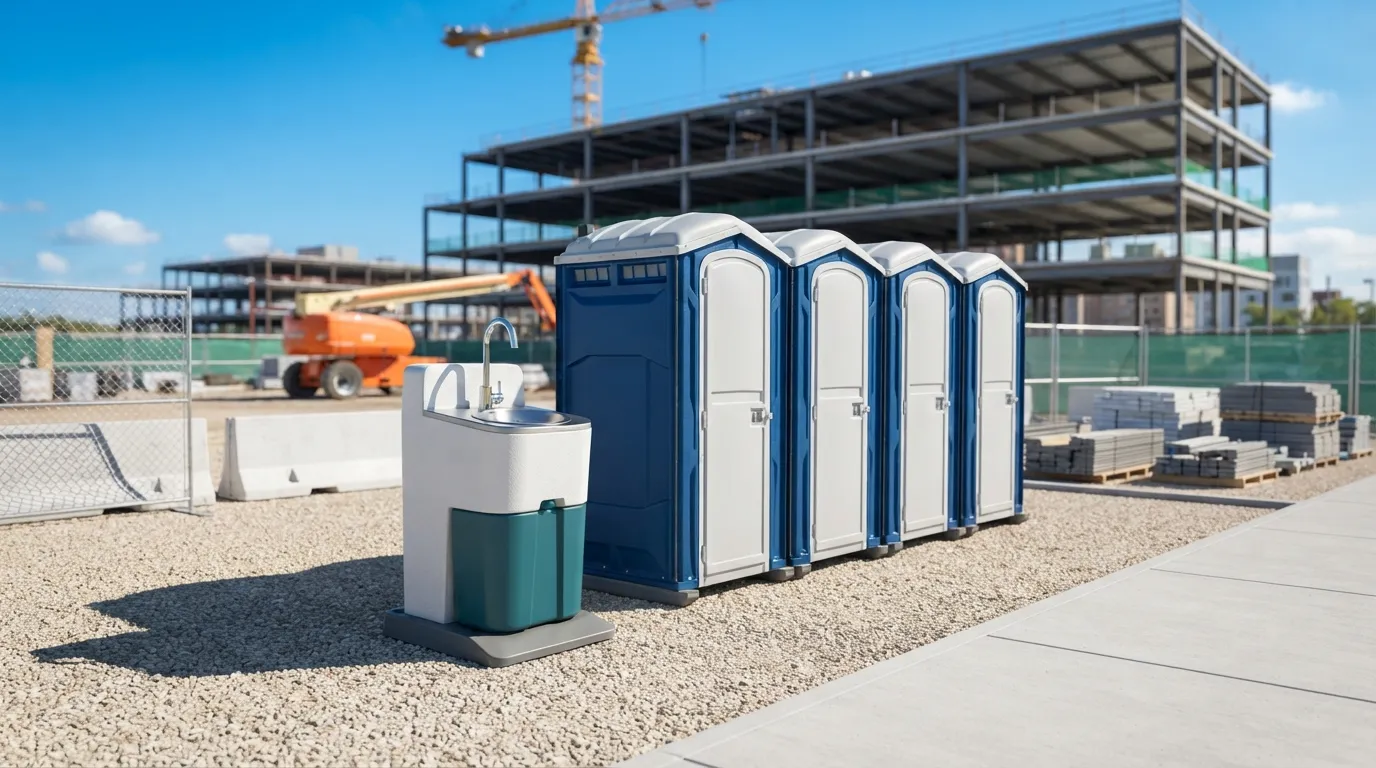
A monthly contract includes the unit, delivery, pickup, and a set number of service visits, usually weekly under the ANSI/PSAI Z4.3 baseline. Everything past that baseline, extra cleanings, additional units, relocation mid-job, gets billed separately. A standard unit holds a 60 to 70 gallon tank and stands about 92 inches tall, which matters when you're placing it under scaffolding or near a Cambridge jobsite with tight overhead clearance, 7.6 miles northwest of Boston. If your crew works with paints, coatings, herbicides or insecticides, OSHA 1926.51(f)(1) requires washing facilities for that specific exposure, not just a toilet. That's a separate line item from the porta potty and it's worth asking about before the contract gets signed, especially on paint-heavy renovation work. For jobs that need something nicer than a standard unit, the deluxe flushable porta potty option carries its own weekly rate, and ADA-compliant placement follows its own rules too. ADA Standards section 213.2 requires that at least 5 percent of clustered units be accessible, never fewer than one, so a bank of four or more standard units on a Boston site needs an ADA accessible porta potty in the mix. Storage needs on the same site often pair well with a storage container rental on the same monthly cycle.
Do I Need a Permit for Long-Term Placement?
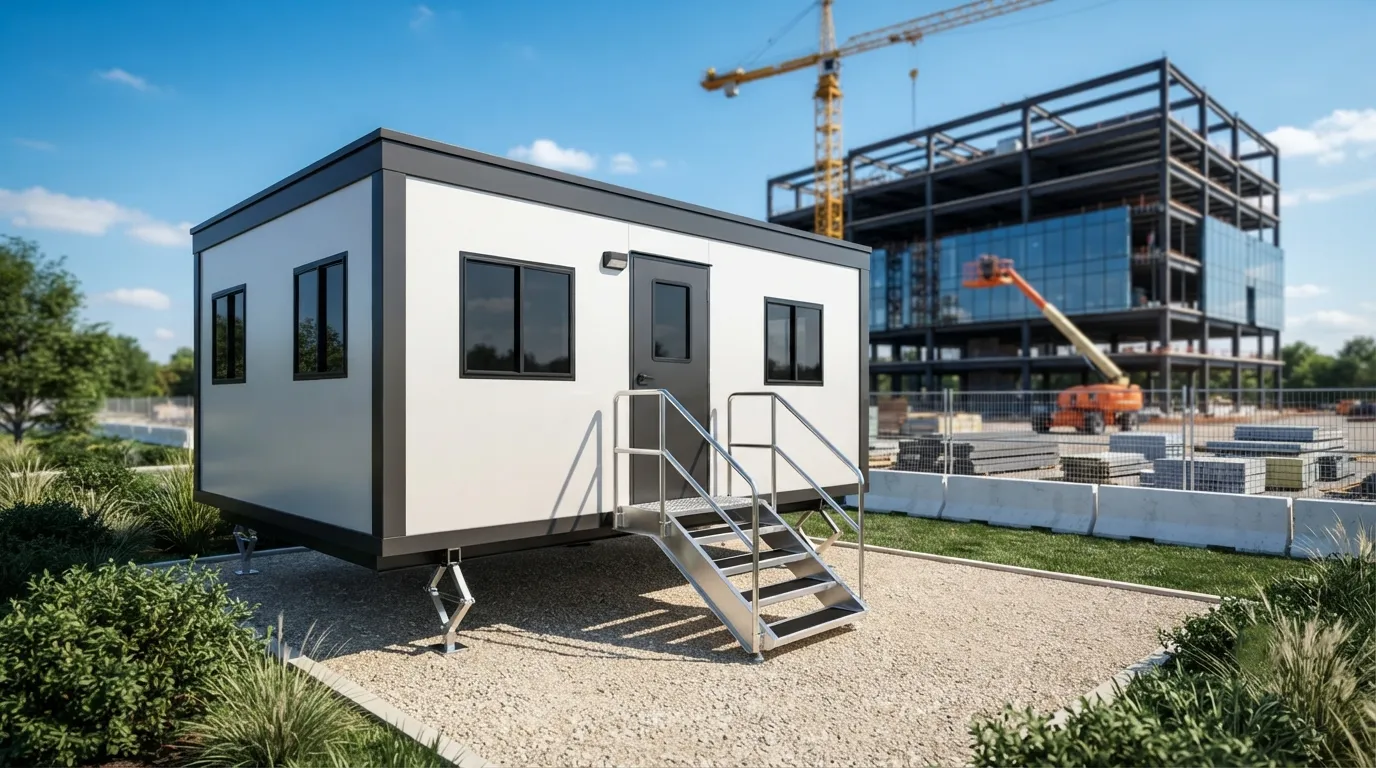
Placement in the public right of way needs confirming with the city before you sign anything. Boston Porta Pros doesn't guess at this, because getting it wrong holds up a whole job. If your unit sits on private property, on a driveway or inside a fenced site, that's usually a different conversation than a unit sitting on a sidewalk or street. Check porta potty permit requirements early, ideally before delivery gets scheduled, and loop in your general contractor if the site has multiple trades pulling their own permits. Placement itself matters beyond permitting too. ADA Standards section 405.2 caps ramp slope at 1:12, and section 403.5.1 requires 36 inches of clear route width, both relevant if your monthly rental needs to stay wheelchair accessible for the full contract term. Our porta potty placement guide covers ground conditions, clearance and access. For sites running through the winter, porta potty in winter covers freeze protection that a one-day rental never has to think about. Longer contracts also mean more chances for something to go sideways, so keep emergency porta potty rental in your back pocket if a unit gets damaged or a service window gets missed on a tight Boston schedule.
How much does a porta potty cost per month near me in Boston?
Most standard units run 125 to 325 dollars a month, with delivery billed separately at 120 to 420 dollars depending on distance and access. Exact pricing depends on service frequency, unit type and how far the site sits from base. Request a quote for a number specific to your address.
Is a monthly rental cheaper than renting by the week?
Usually, yes, per day. A month spreads one delivery fee across 30 days instead of 7, so the effective daily rate drops. Weekly rentals still make sense for shorter jobs, events, or anything under a month where a monthly commitment doesn't pay off.
How many service visits come with a monthly contract?
Most contracts follow the ANSI/PSAI Z4.3 baseline of one visit per week for up to 10 users. Higher headcounts or heavy-use sites often need two visits weekly. Confirm the visit count in writing before the contract starts.
Can I add units mid-contract if my crew grows?
Yes. Additional units get added at the standard monthly rate, prorated for the remaining contract term. OSHA 1926.51(c)(1) sets minimum fixture counts by crew size, so check your headcount against that table before the crew grows past your current setup.
Does a monthly rental include handwashing stations?
No, handwashing is billed separately. 29 CFR 1910.141(d)(2) requires soap and towels or a hand-drying device at wash stations, not just sanitizer, so ask about a dedicated handwashing station rental if your permit or site rules require one.
Next step
Get a delivery date
Tell us the address, the dates and the headcount. We size the order and confirm the route.