
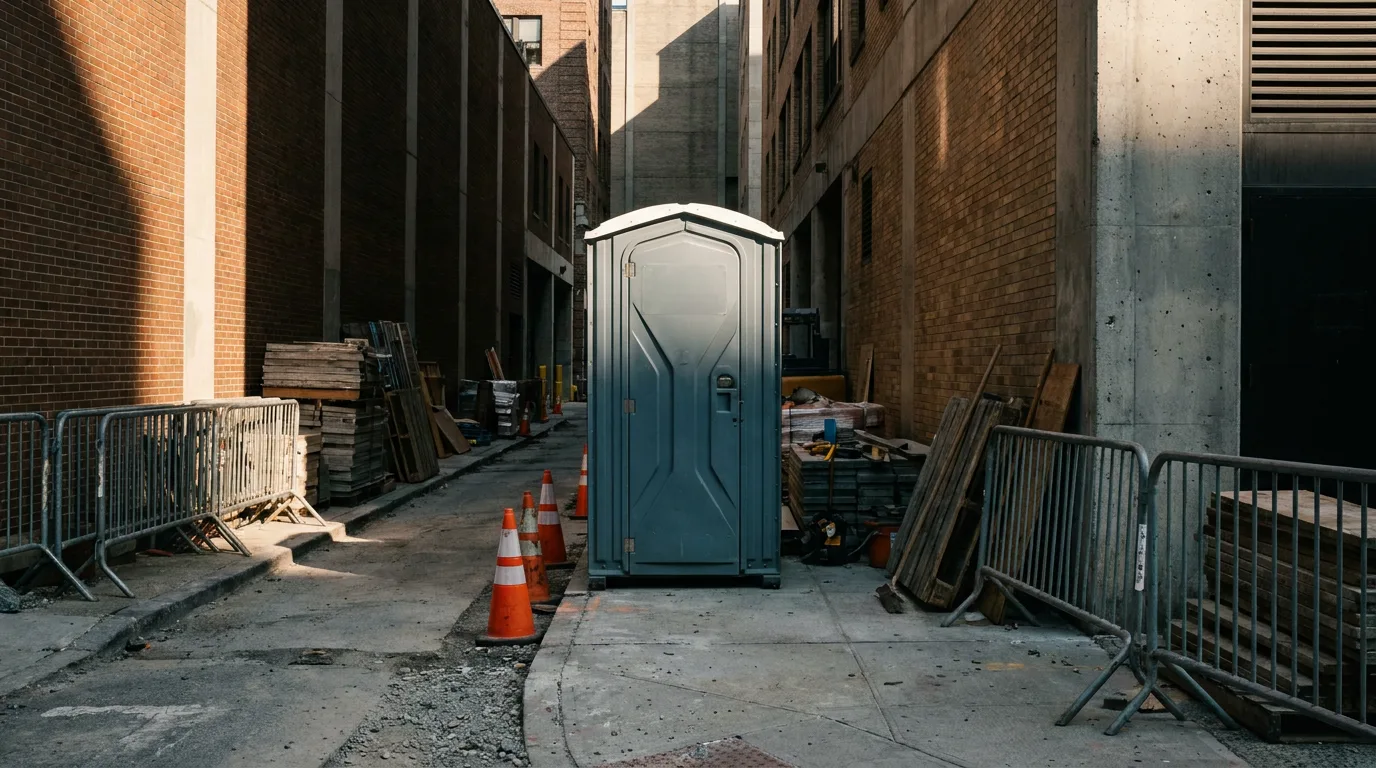
Do you need a permit for a dumpster in Boston?
It depends on where the dumpster sits. On private property, most residential and commercial jobs move forward without a city permit. Put a roll-off at the curb or on any public street, and that is a different conversation entirely, one you need to have with the city before the truck shows up. This pattern holds outside Massachusetts too. Jersey City dumpster permit rules, Delaware porta potty rental placement, and roll-off dumpster rental Delaware jobs all separate private-lot placement from street placement the same way. Read dumpster permit requirements before you commit to a delivery date, and pair it with dumpster sizes and dimensions so the unit fits the space you have got. A 10 yard dumpster rental fits tighter driveways than a 30 yard dumpster rental, which matters once you know whether you are boxed into a lot line.
What are the porta potty placement rules?
Level, firm ground and clear access for the service truck matter more than any single ordinance. ADA Standards section 302.1 calls for stable, firm, slip-resistant surfaces, which rules out soft grass or loose gravel as a long-term pad. A standard unit runs about 44 by 48 inches on the ground and stands close to 92 inches tall, so give it clearance from fences and low branches. Our porta potty placement guide covers setback distances from doors and property lines in more depth. If you are placing an ADA accessible porta potty, ADA Standards section 213.2 requires at least 5 percent of clustered units to be accessible, never fewer than one, with a 60 inch turning circle per section 304.3.1 and a 32 inch clear door opening per section 404.2.3. Roll-off placement carries its own clearance rule: plan on roughly 60 feet of straight room behind the truck for delivery.
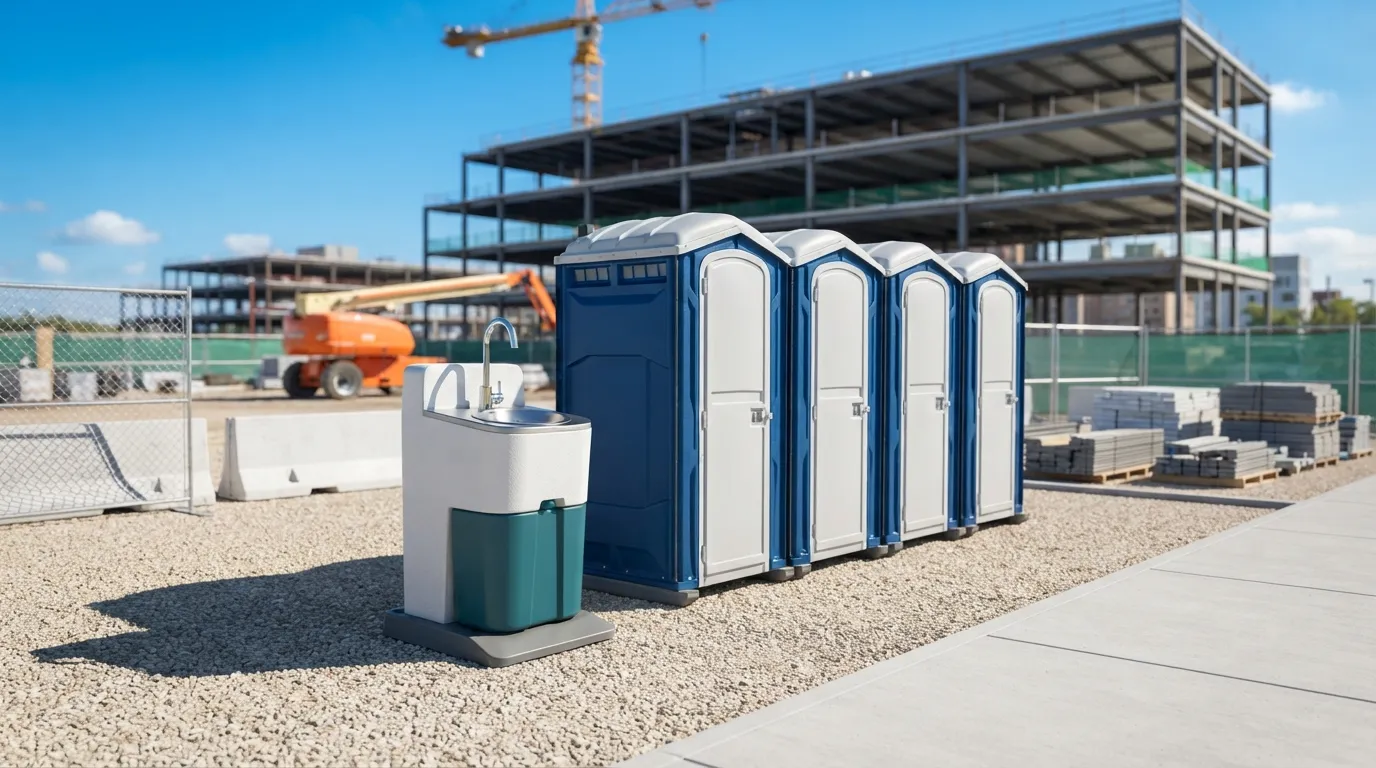
Do construction sites need a permit for porta potty rules and regulations?
The permit question and the OSHA question are separate, and crews often mix them up. Boston, like most cities, treats toilet count as a labor requirement, not a permitting one. OSHA 1926.51(c)(1) sets the ratio: one toilet for 20 workers or fewer, then one toilet seat and one urinal per 40 workers once you pass 20, dropping to one per 50 at 200 workers or more. Our OSHA portable toilet requirements page breaks that ratio down by crew size, and how many porta potties do I need turns it into a number you can put on an order. Crews spraying paint, coatings, herbicides or insecticides also trigger washing facilities under OSHA 1926.51(f)(1), separate from the toilet count itself. For general construction site services in Boston, that toilet ratio is the number an inspector actually checks, not a placement permit.
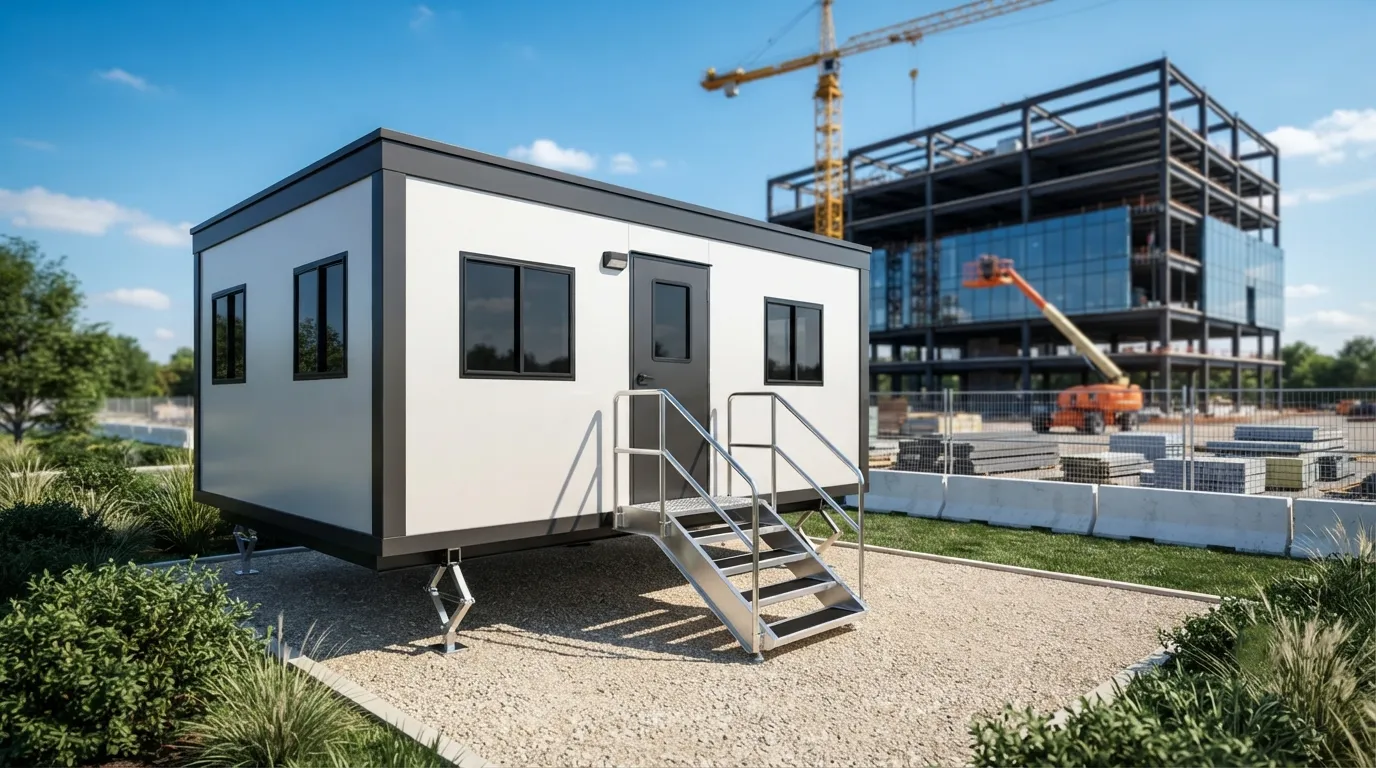
Where does temporary power pole permit apply on a jobsite?
A temporary power pole almost always needs an electrical permit and inspection, unlike a porta potty on private ground. If your site pairs a light tower rental with a temporary power pole, budget time for that inspection separately from your sanitation order. Fencing works differently too. A temporary fence rental around a Boston work zone usually needs no special permit on private property, though chain link temporary fence runs blocking a sidewalk brings you back to right-of-way rules. OSHA 1926.202 requires barricades to meet ANSI D6.1 wherever they protect workers from traffic or excavation. Storage is simpler still. A storage container rental parked on a driveway rarely triggers a permit, but street placement does, same as the dumpster question above.
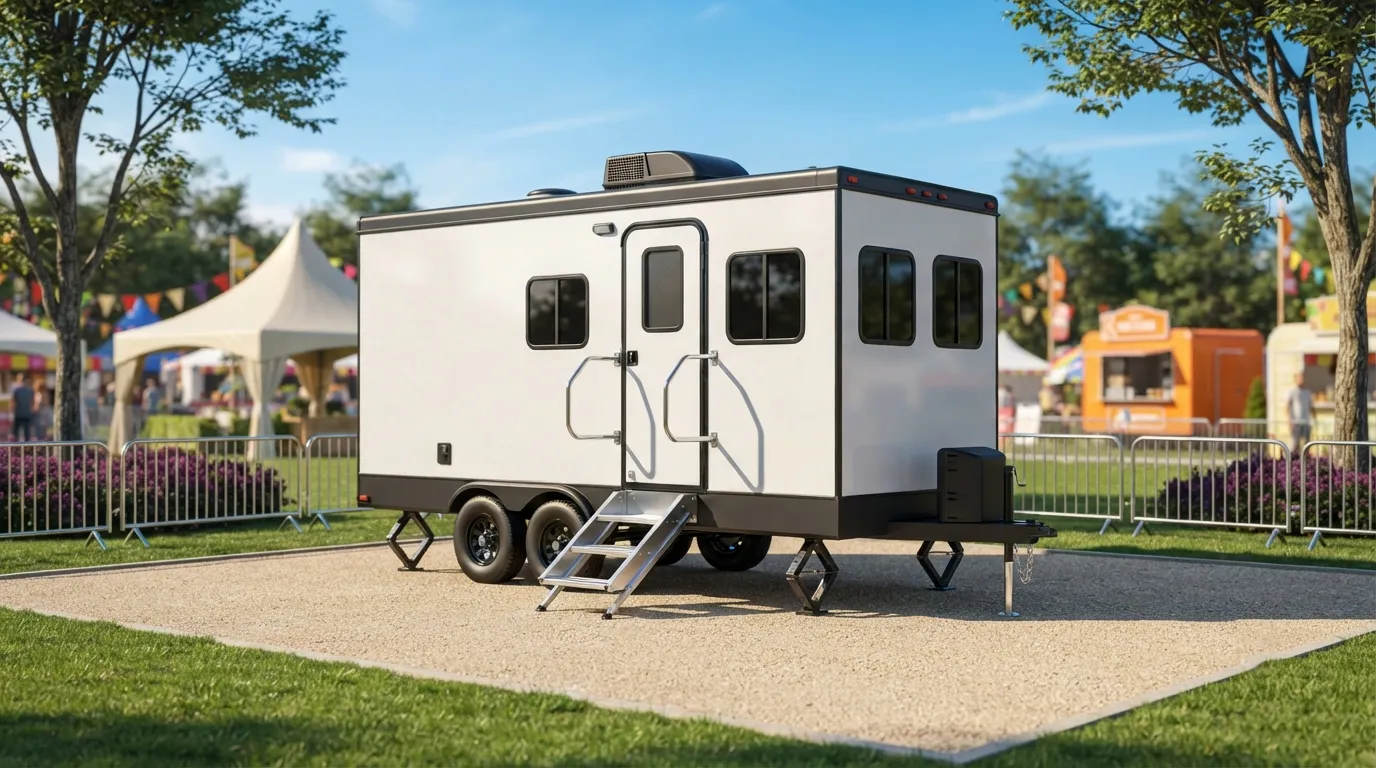
Pricing snapshot for common Boston rentals
| unit | day | week | month |
|---|---|---|---|
| standard porta potty | 100-350 | 130-500 | 125-325 |
| ADA unit | 200-400 | 120-240 | - |
| dumpster | 51-112 | 426-778 | 91-500 |
See porta potty rental cost and dumpster rental cost for the full breakdown, or request a quote for your Boston address directly.
Do I need a permit to put a porta potty in my driveway?
No. Private property, including a driveway, does not need a city permit for a standard unit. The question only gets complicated once the unit sits on a sidewalk, street, or other public right of way, which is when you call the city first.
How far in advance should I apply for a dumpster street permit?
Boston Porta Pros recommends starting the permit conversation as soon as you know the delivery window, ideally a week or more out. Processing time varies by department, and a delayed permit can push your whole project schedule back.
What happens if I place a dumpster on the street without a permit?
You risk a fine, a tow, or both, and the city can require the dumpster moved on short notice. It costs less time and money to confirm placement rules before delivery than to relocate a full roll-off after the fact.
Do porta potties need a permit for a backyard wedding?
Usually not, since backyard placement sits on private property. Check our wedding restroom rental page for guest-count ratios, and see event restroom rental for larger gatherings that might need a public-space permit instead.
Can I place a portable toilet on the sidewalk temporarily?
Only with city approval, since sidewalks are public right of way. Confirm with Boston before delivery day. Our porta potty rental team can flag this during scheduling so the delivery truck is not turned away.
Next step
Get a delivery date
Tell us the address, the dates and the headcount. We size the order and confirm the route.