
How fast can you get toilets on-site after a disaster?
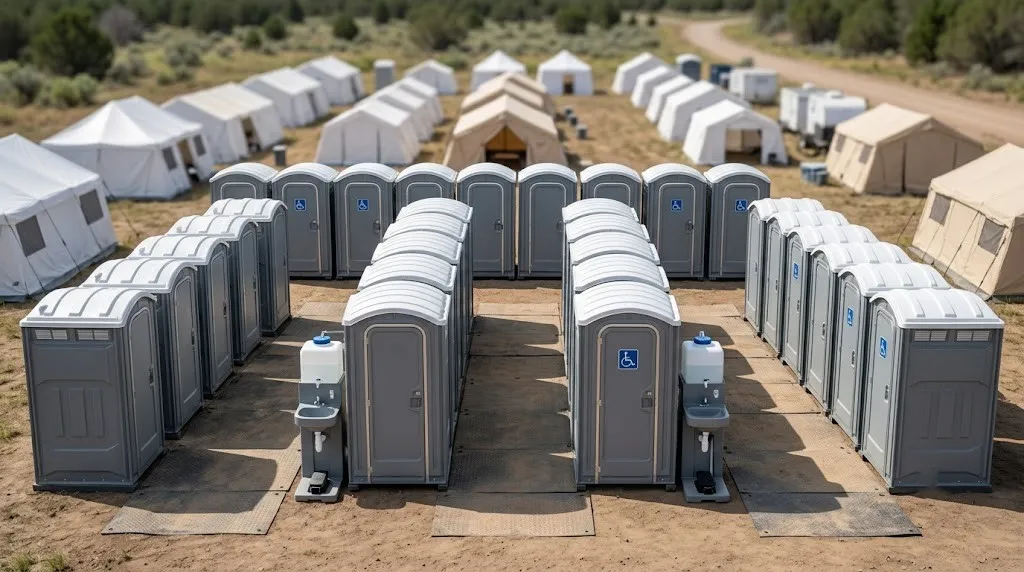
Speed depends on what has already gone wrong. If roads are clear, a standard delivery can land the same day; if a storm has knocked out Boston streets, expect coordination on timing rather than a fixed promise. Check emergency porta potty rental for how we handle rush requests. A standard unit needs about 44 by 48 inches of ground space and stands roughly 92 inches tall, which fits most shelter parking lots, staging yards, and church lawns pressed into service during a crisis. Roll-off delivery, if debris removal is part of the response, needs about 60 feet of straight clearance behind the truck, so tight urban side streets in neighborhoods like Chelsea or Everett sometimes need a different drop point. We serve Boston directly and can reach Somerville 7.3 miles northwest, Everett 7.3 miles north, and Chelsea 7.5 miles north as staging expands. For shelters expecting large numbers of displaced residents, how many porta potties do i need walks through sizing math using OSHA 1926.51(c), which sets 1 toilet for 20 workers or fewer and scales up from there. Disaster response isn't construction, but the ratio is a reasonable starting point when nothing else exists. We also stock handwashing station rental units, since 29 CFR 1910.141(d)(2) requires soap and towels or a hand-drying device at any washing facility, not sanitizer alone.
What sanitation equipment works best for emergency shelters?
Standard portable toilets are the backbone of most disaster deployments, because they need no hookup and can be placed almost anywhere flat and stable. For longer shelter operations, a restroom trailer rental gives displaced families something closer to normal, with flush fixtures and separated stalls; the 4 stall restroom trailer works well for mid-size shelters, while an 8 stall restroom trailer suits a school gym or armory housing hundreds. Every cluster of units should include at least one ADA-compliant toilet: ADA Standards 213.2 requires at least 5 percent of clustered single-user units to be accessible, and never fewer than one, which matters when shelters house older residents and people with mobility limitations. Our ada-accessible-porta-potty units meet the 36 inch clear route width of ADA 403.5.1 and the 32 inch door opening of ADA 404.2.3. If flooding has damaged an on-site septic system, emergency septic service and holding tank rental can keep a building functional while repairs happen. Shelters running kitchens for mass feeding should also plan for grease trap pumping, since a grease interceptor needs pumping once fats, oils, grease, and solids reach 25 percent of liquid depth, and a shelter kitchen running around the clock hits that mark fast. Power loss is common in disaster zones too; a light tower rental or temporary power pole keeps a staging area lit and operational after dark.
Do disaster sites need fencing or debris removal too?
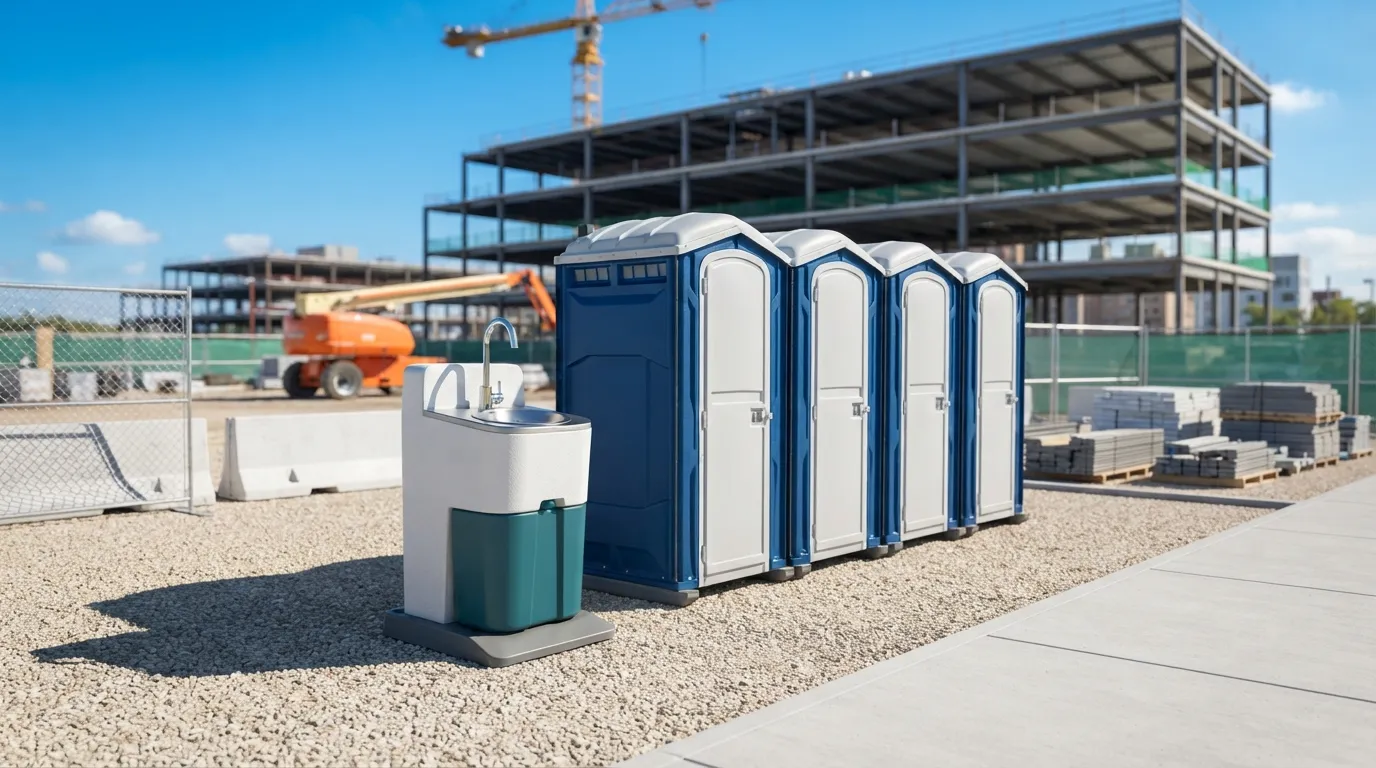
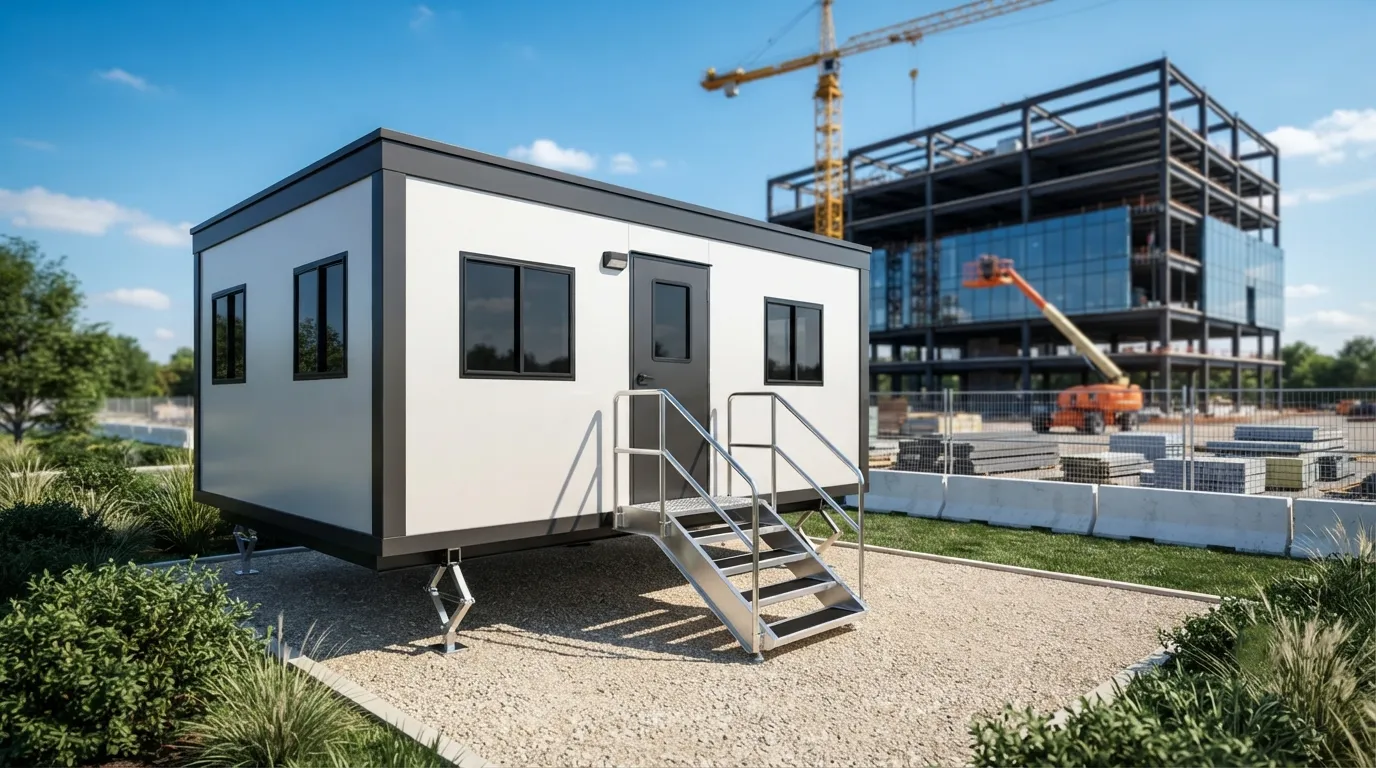
Yes, most extended deployments do. Once people, generators, and portable restrooms are clustered in one lot, temporary fence rental keeps foot traffic organized and keeps curious onlookers out of an active work zone; chain link temporary fence is the standard choice for a multi-week staging site. Storm cleanup generates debris fast, and a roll-off dumpster rental clears it before it becomes a hazard; the 20 yard dumpster rental handles most residential debris loads, while a 30 yard dumpster rental suits commercial or municipal cleanup. Before loading anything, check what cannot go in a dumpster, since hazardous storm debris like propane tanks or chemical containers needs separate handling. OSHA 1926.25 requires scrap and debris cleared from work areas, and OSHA 1926.252 covers disposal methods including chutes and enclosures, both relevant once a response site starts filling dumpsters daily. If the response includes any painting, coating, or pesticide work during rebuild, OSHA 1926.51(f)(1) requires washing facilities for that specific contaminant exposure. For crews needing a secure base, storage container rental or a mobile office trailer rental gives command staff a dry place to work near the action, and Boston Porta Pros can deliver both alongside sanitation in one coordinated drop.
How much does emergency porta potty service cost in Boston?
Standard units run $100 to $350 a day depending on quantity and urgency, with delivery fees separate at $100 to $500. Emergency response often needs multiple units delivered fast, so pricing depends on how many trucks and drivers we pull together on short notice.
Can you deliver during an active storm or power outage?
We deliver whenever roads are passable and it's safe for our drivers. Coordinate early with contact or request a quote so we can stage trucks nearby before conditions worsen, rather than after.
Do shelters need ADA-accessible units even in an emergency?
Yes. ADA Standards 213.2 still applies: at least 5 percent of clustered units, never fewer than one, must be accessible, plus a 60 inch turning circle per ADA 304.3.1 where space allows.
How long can disaster relief rentals stay on-site?
As long as the response needs them. Many shelters run 2 to 6 weeks; longer recovery sites can extend month to month, similar to monthly porta potty rental terms elsewhere in Boston.
What if our shelter site has no clear placement area?
We'll work with what you have. Review porta potty placement guide for ground and clearance needs, and our dispatcher can walk the site by phone before trucks arrive.
Next step
Get a delivery date
Tell us the address, the dates and the headcount. We size the order and confirm the route.