
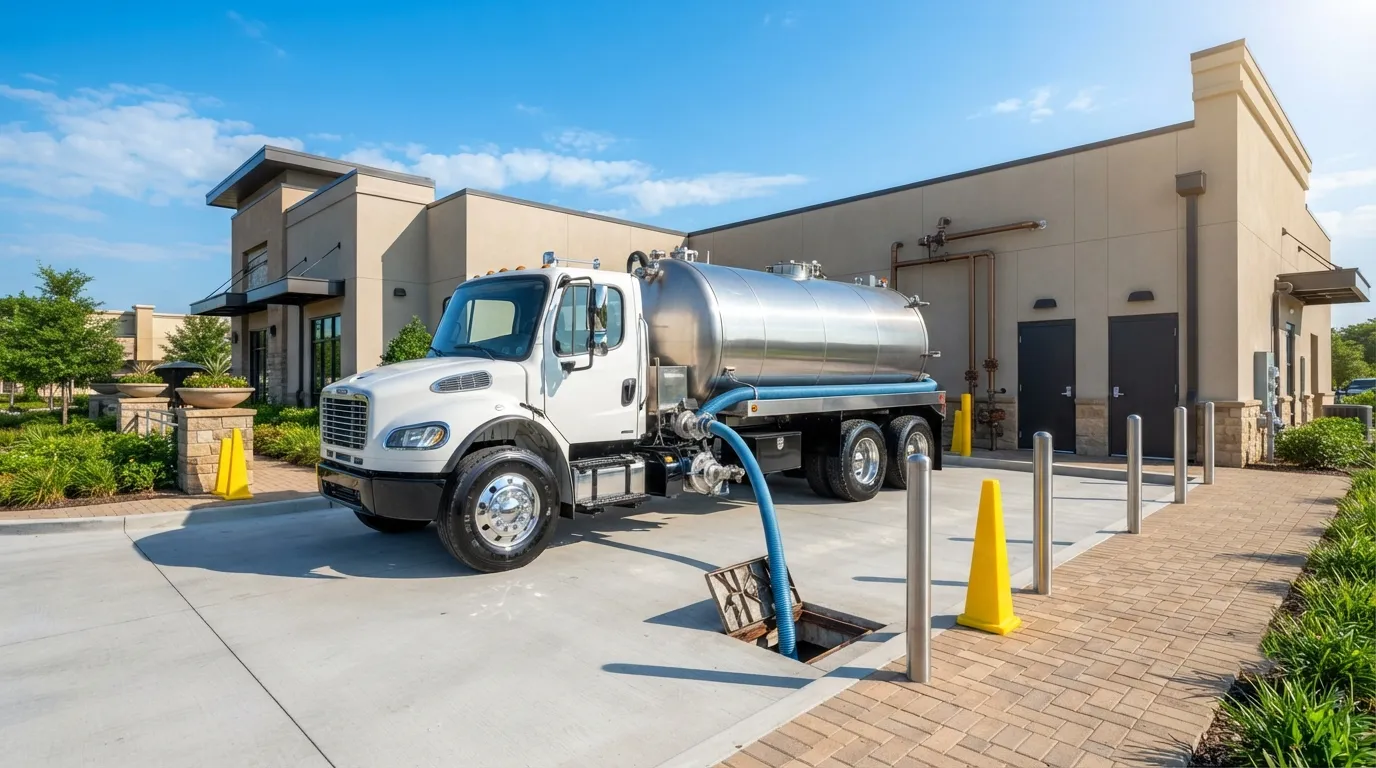
How Often Does a Grease Trap Need Pumping?
The 25 percent rule is what drives the schedule, not the calendar. A high-volume fryer station in a downtown Boston kitchen fills faster than a small cafe near Cambridge, 7.6 miles northwest. We check depth on every visit and adjust the interval instead of guessing. Restaurants under health inspection pressure usually land on a 4 to 6 week cycle. Slower kitchens stretch to 8 weeks safely. This is different math from a residential septic tank, which is typically pumped every 3 to 5 years depending on tank size and household count, covered in more detail on our how often to pump a septic tank page. If your grease trap has never been serviced or you inherited a kitchen with no records, start with an inspection through septic pumping service or a straight grease trap pumping call and we will set the baseline for you.
What Does Grease Trap Pumping Cost?
Cost depends on trap size, access, and how far overdue the service is, similar to how septic tank pumping cost varies by tank and site. Commercial jobs get quoted against the same underlying rate structure we use for septic pumping service work, since both involve vacuum trucks and disposal. Below is the general range for related pumping and service visits, drawn from our measured pricing data.
| service | duration | typical range |
|---|---|---|
| septic pumping | day | $150 to $300 |
| septic pumping | weekend | $50 to $150 |
| service fee | day | $100 to $300 |
| service fee | week | $30 to $220 |
A grease trap job usually runs closer to the septic day rate, since it is a single visit with a vacuum truck, not a weekly rental. Full detail on comparable pricing lives on our septic tank pumping cost page, and if your restaurant is weighing a holding tank instead of trap service, see holding tank rental. Emergency after-hours calls cost more than a scheduled route stop, the same way a emergency septic service call runs higher than routine maintenance.
Why Does a Backed-Up Grease Trap Need Emergency Service?
A trap that overflows sends grease into the line, and that line backs up fast in an occupied kitchen, much like a neglected porta potty rental unit backs up on a job site. Emergency grease trap pumping gets a truck out before health inspectors get involved or before the smell reaches the dining room. We treat these the same way we treat emergency porta potty rental calls on active job sites: dispatch first, paperwork after. Boston kitchens near Chelsea, 7.5 miles north, and Everett, 7.3 miles north, are both inside our standard response radius. If your grease issue is really a full septic system problem rather than a trap, our septic tank warning signs page walks through what to look for before you call.
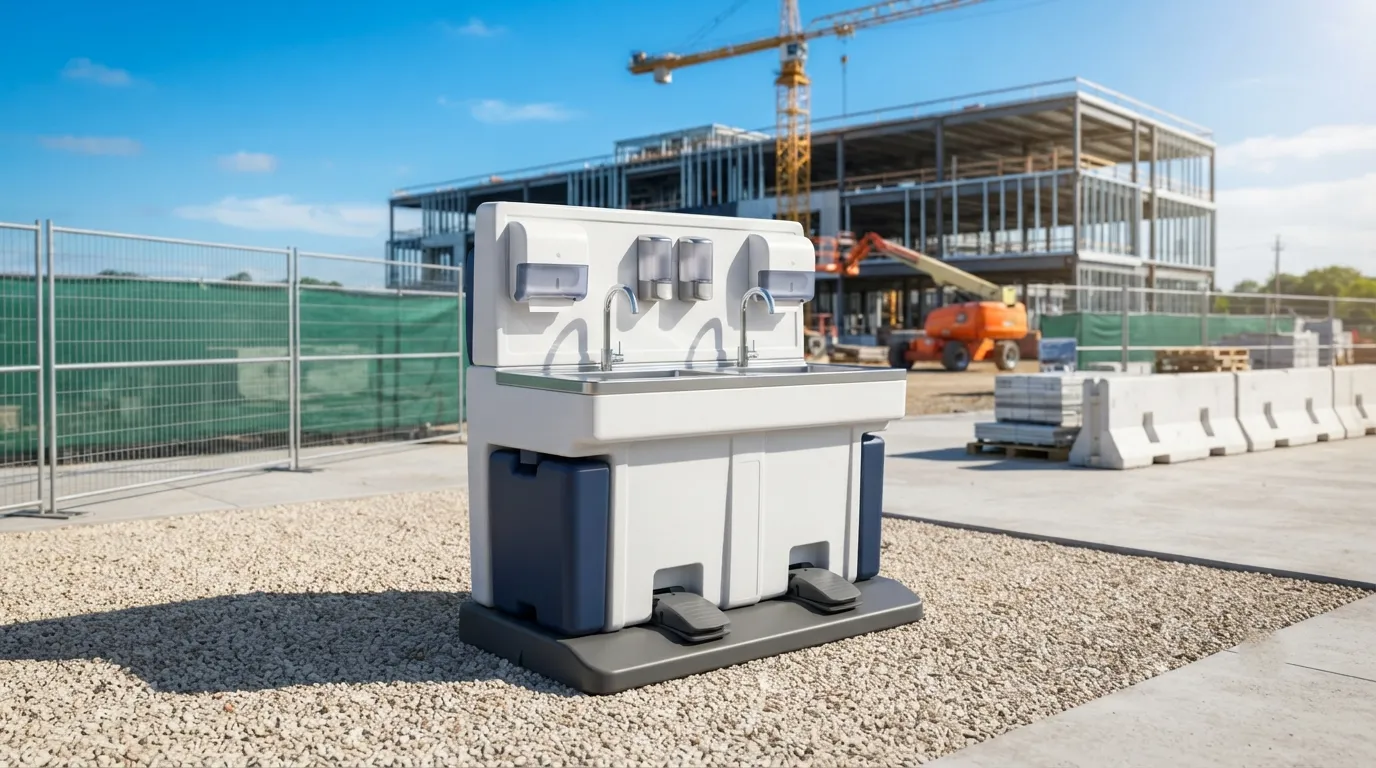
Commercial kitchens sit alongside a lot of other site sanitation needs. If you are running a food truck event or outdoor catering setup in Boston, pair grease service with portable toilet rental or a restroom trailer rental for staff and guests, and check our festival restroom rental page if the event draws a crowd. Construction crews building out a new kitchen space often need construction dumpster rental, a temporary fence rental around the site, and a handwashing station rental on site too, since OSHA 1926.51(c) sets toilet facility ratios for crews working the buildout, and 29 CFR 1910.141(d)(2) requires soap and towels or a hand drying device wherever handwashing is provided; see OSHA portable toilet requirements for the full breakdown.
How much does grease trap pumping cost per visit?
Cost depends on trap size and how overdue it is. Related septic day-rate service runs $150 to $300 typically, and a standard trap pumping falls near that band. Ask for a quote against your specific trap size, or request a quote directly; see septic tank pumping cost for the fuller pricing breakdown.
How do I know if my grease trap needs pumping now?
Slow drains, a sewage smell near the kitchen floor drain, or grease surfacing in the trap itself are the signs. The 25 percent fats-oils-grease depth threshold is the trigger we check for on every visit, and once you hit it, service should not wait.
Can I get same-day grease trap pumping in Boston?
Yes. Boston Porta Pros runs emergency routes for active backups. Call as soon as you notice slow drains or odor; we prioritize kitchens at risk of a health code issue over routine stops that week, the same priority we give disaster relief sanitation calls.
Do restaurants need grease trap pumping year-round?
Yes, grease accumulates regardless of season. Volume changes with business, so a summer patio season or holiday catering push can shorten your interval even if your winter schedule ran fine at 8 weeks.
Is grease trap pumping different from septic pumping?
Yes. A grease trap holds fats, oils and solids from kitchen drains and needs frequent short visits. A septic tank handles wastewater for a whole building and gets pumped every 3 to 5 years; see septic tank cleaning for that process, or contact us with questions about your setup.
Next step
Get a delivery date
Tell us the address, the dates and the headcount. We size the order and confirm the route.