
How Do Porta Potties Work?
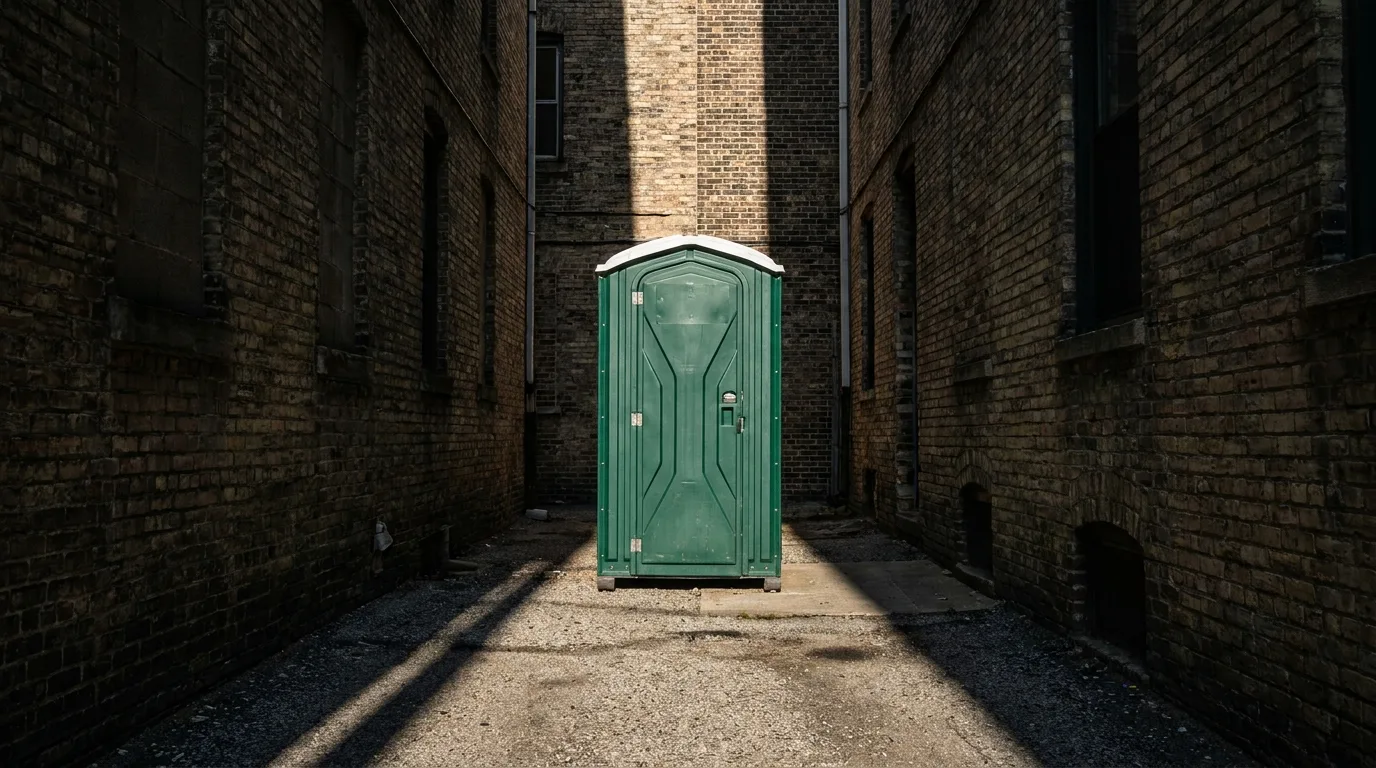
There is no water line and no sewer line. Waste drops into the tank below the seat, and a blue or green deodorant fluid breaks down solids and knocks back odor between services. A standard unit runs about 44 by 48 inches on the ground and stands roughly 92 inches tall, so it fits on a sidewalk strip or a job site corner without eating much space. Most renters start with the standard porta potty rental, which covers a basic construction crew or a backyard project in Boston without extra features. On a job site, a construction worker running to a porta potty between tasks needs the unit close to the work zone, not stashed behind a dumpster. That is why placement matters as much as the unit itself. Check the porta potty placement guide before delivery day, and confirm distances if the site sits inside a right-of-way, since Boston Porta Pros still recommends confirming placement rules with the city before setup. For crews wanting a nicer flush experience, the deluxe flushable porta potty uses a small onboard water reservoir instead of straight chemical treatment.
How Does a Portable Sink Work?
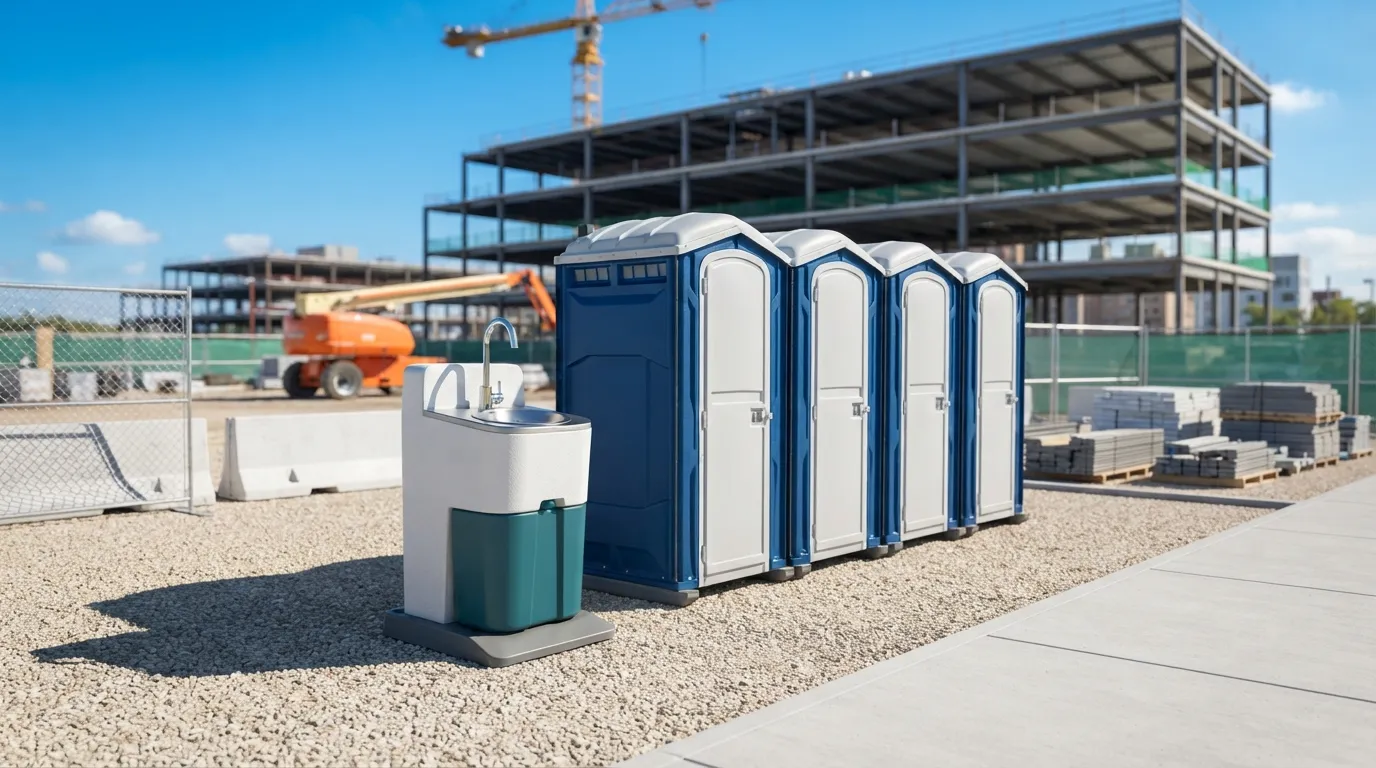
A portable sink runs on a self-contained fresh water tank, a foot pump or hand pump, and a gray water tank underneath to catch the runoff. No plumbing, no hose bib needed. Soap and paper towels sit in a dispenser built into the unit, which matters because 29 CFR 1910.141(d)(2) requires soap and towels or a hand-drying device at washing stations, not just sanitizer. Crews doing painting, coatings, or pesticide work need this kind of setup nearby, since OSHA 1926.51(f)(1) requires washing facilities specifically for employees applying paints, coatings, herbicides or insecticides. A handwashing station rental pairs naturally with any restroom order, and a lot of Boston contractors add a portable sink rental right next to the toilet bank so crews do not walk far between the two. If chemical exposure is a daily part of the job, review the handwashing requirements page so the setup matches what OSHA actually asks for.
How Do Flushable and Camping Porta Potties Work?
A flushable unit, like the ones under the deluxe flushable porta potty line, uses a small water tank and a foot- or hand-operated flush valve to rinse the bowl after each use, which cuts down on odor between pump-outs. Camping versions work on the same idea but scale smaller. Many are portable cassette toilets with a removable waste tank a camper empties at a dump station, useful for anyone renting for camping porta potty needs along a Massachusetts trip. Weddings and backyard parties in Boston often go with the flushable option too, since guests notice the difference. Check the wedding restroom rental or event restroom rental pages for options built around foot traffic rather than an eight-hour work shift. Pricing runs by the day, week, or event block rather than a flat rate, since usage volume changes the tank size needed. A weekend rental for a standard unit runs a bit above the weekday day rate, which the porta potty rental cost page breaks down further.
Why Does the Tank Need Chemicals?
The blue or green fluid in a porta potty tank is a deodorizer and enzyme treatment, not a hazardous product, and it is what keeps a hot Boston summer day from turning a job site unit into a problem. Ask about portable toilet chemicals near you and most companies, Boston Porta Pros included, use a similar biodegradable blend across their fleet. Septic tank cleaning chemicals work differently. Homeowners sometimes ask if they can dump the same treatment into a home septic tank, but a residential system typically gets pumped every 3 to 5 years by a truck, not treated with additives, based on tank size and household size. If a Boston home is closer to that pump-out window, the septic pumping service page and the how often to pump a septic tank guide both cover the signs to watch for, including the septic tank warning signs page for slow drains or standing water.
| unit | day | week | month |
|---|---|---|---|
| standard | $100-$350 | $130-$500 | $125-$325 |
| ada | $200-$400 | $240-$400 | - |
| deluxe | $85-$1200 | $150-$290 | - |
Job sites with more than a handful of workers need to think about ratios too. OSHA 1926.51(c) sets one toilet for 20 or fewer construction workers, moving to a toilet plus urinal per 40 workers once the crew grows past that. The how many porta potties do i need calculator walks through that math, and the OSHA portable toilet requirements page lays out the full table. Somerville sites 7.3 miles northwest and Cambridge sites 7.6 miles northwest follow the same federal ratio, since it is not a Boston-specific rule.
How often are porta potties cleaned?
Most weekly rentals get serviced once per week under the ANSI/PSAI Z4.3 baseline, which covers up to 10 users over a 40 hour week. Busier sites or events need more frequent visits. See how often are porta potties cleaned for the specifics.
Do porta potties smell?
A well-serviced unit should not smell much between pump-outs, thanks to the deodorant fluid in the tank. Heat, overuse, and missed service intervals are the usual culprits. Full details sit on the do porta potties smell page.
Can I rent an ADA accessible unit in Boston?
Yes. ADA Standards section 213.2 requires at least 5 percent of clustered units to be accessible, never fewer than one. The ADA accessible porta potty page covers sizing and delivery.
What happens during winter rentals?
Cold weather changes servicing needs and can affect flush mechanisms on deluxe units. The porta potty in winter page walks through what changes and what stays the same.
Is a permit needed to place a unit in Boston?
That depends on where the unit sits. Placement in a public right-of-way needs confirming with the city directly. Start with the porta potty permit requirements page before delivery.
Next step
Get a delivery date
Tell us the address, the dates and the headcount. We size the order and confirm the route.